Advent Pray25:
It's a Wonderful Life

A NOTE FROM THE FAMILY OF
PHILIP VAN DOREN STERN

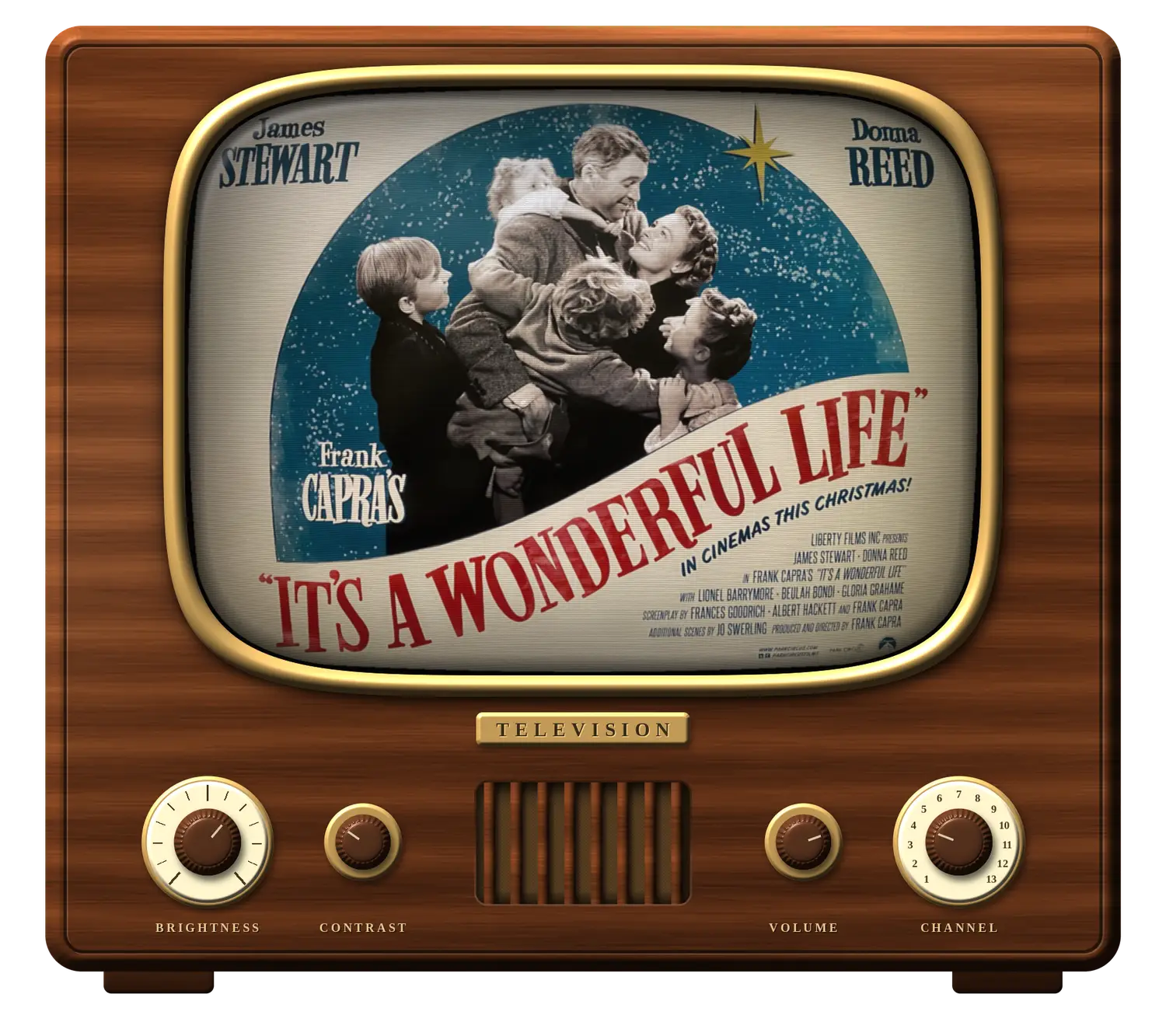
The film “It’s a Wonderful Life” was based on “The Greatest Gift,” a short story by Philip Van Doren Stern (1900-1984).  Stern was not a religious man and he did not consider “The Greatest Gift” a religious story.  Stern’s heirs have nonetheless consented to Hallow’s use of “The Greatest Gift” for its Advent Series.  The family has granted this consent because, as Stern explained to his daughter, the story is a “universal story for all people in all times.”  As such, it is a story for Christians just as much as it is a story for followers of all other faiths (Jews, Muslims, Buddhists, Hindus, and the myriad others) and for skeptics and non-believers.  

Philip Van Doren Stern was a humanist who believed in the values of human freedom and liberty of thought and belief. He was interested in the varieties of human experience and understanding, including ways people experience things they do not understand.  He was a historian, novelist, and editor.  He wrote over 40 books on topics such as the American Civil War, Abraham Lincoln, Edgar Allan Poe, Henry David Thoreau, automobiles, typography, pre-historic Europe, and cave paintings. As an editor, he collected and introduced literary tales on fantasy and the imagination, ghosts, time travel, strange beasts and unnatural monsters, and more. He worked in advertising and publishing and, during World War II, served as general manager of the Armed Services Editions, sending 122 million copies of specially engineered pocket size books – 1,324 titles in all – to American servicepersons stationed throughout the world. He was, also, all his life, a reader of books, a career he began in earnest at age nine when he discovered public libraries.

Stern was 37 when the idea for “The Greatest Gift” came to him, in a dream he recalled the next morning and quickly wrote down. He worked on the story off and on for a few years. When the story was ready for publication, he gave it to his agent to place in a magazine. But no one wanted the story, in part because it was in an unfamiliar style, a fantasy. Undaunted, Stern published the story himself, and distributed 200 or so copies to friends, neighbors, colleagues, and others. His Hollywood agent asked if she could submit the story to the studios, and the story made its way to Frank Capra who made from it the beloved “It’s a Wonderful Life.”  As Stern’s daughter wrote, the film is many people’s favorite film, no matter their “[a]ge, gender, occupation, race, religion, income level, nationality, politics.” And it’s no wonder: George’s journey to the world in which he has never been born terrifies, fascinates, and, ultimately, inspires each and all.

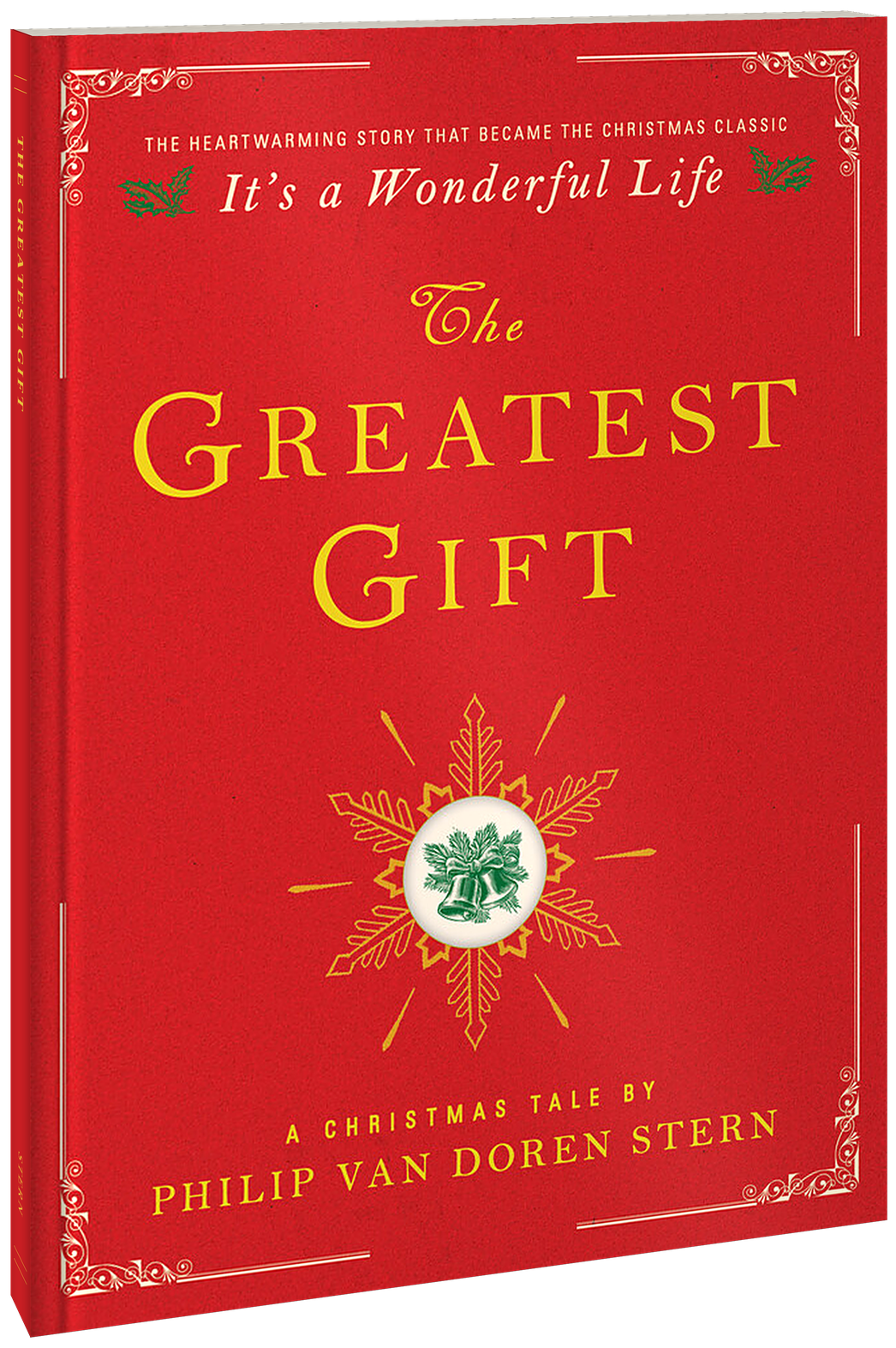
To read “The Greatest Gift”, ask for it at your local library or bookstore.  Or purchase it online, in an edition that includes an Afterword by the author’s daughter.

Buy the book:

Watch It's a Wonderful Life

Advent Pray25:
It's a Wonderful Life
A NOTE FROM THE FAMILY OF
PHILIP VAN DOREN STERN

The film “It’s a Wonderful Life” was based on “The Greatest Gift,” a short story by Philip Van Doren Stern (1900-1984).  Stern was not a religious man and he did not consider “The Greatest Gift” a religious story.  Stern’s heirs have nonetheless consented to Hallow’s use of “The Greatest Gift” for its Advent Series.  The family has granted this consent because, as Stern explained to his daughter, the story is a “universal story for all people in all times.”  As such, it is a story for Christians just as much as it is a story for followers of all other faiths (Jews, Muslims, Buddhists, Hindus, and the myriad others) and for skeptics and non-believers.  

Philip Van Doren Stern was a humanist who believed in the values of human freedom and liberty of thought and belief. He was interested in the varieties of human experience and understanding, including ways people experience things they do not understand.  He was a historian, novelist, and editor.  He wrote over 40 books on topics such as the American Civil War, Abraham Lincoln, Edgar Allan Poe, Henry David Thoreau, automobiles, typography, pre-historic Europe, and cave paintings. As an editor, he collected and introduced literary tales on fantasy and the imagination, ghosts, time travel, strange beasts and unnatural monsters, and more. He worked in advertising and publishing and, during World War II, served as general manager of the Armed Services Editions, sending 122 million copies of specially engineered pocket size books – 1,324 titles in all – to American servicepersons stationed throughout the world. He was, also, all his life, a reader of books, a career he began in earnest at age nine when he discovered public libraries.

Stern was 37 when the idea for “The Greatest Gift” came to him, in a dream he recalled the next morning and quickly wrote down. He worked on the story off and on for a few years. When the story was ready for publication, he gave it to his agent to place in a magazine. But no one wanted the story, in part because it was in an unfamiliar style, a fantasy. Undaunted, Stern published the story himself, and distributed 200 or so copies to friends, neighbors, colleagues, and others. His Hollywood agent asked if she could submit the story to the studios, and the story made its way to Frank Capra who made from it the beloved “It’s a Wonderful Life.”  As Stern’s daughter wrote, the film is many people’s favorite film, no matter their “[a]ge, gender, occupation, race, religion, income level, nationality, politics.” And it’s no wonder: George’s journey to the world in which he has never been born terrifies, fascinates, and, ultimately, inspires each and all.

To read “The Greatest Gift”, ask for it at your local library or bookstore.  Or purchase it online, in an edition that includes an Afterword by the author’s daughter.

Buy the book:

Watch It's a Wonderful Life

Advent Pray25:
It's a Wonderful Life

A NOTE FROM THE FAMILY OF
PHILIP VAN DOREN STERN

The film “It’s a Wonderful Life” was based on “The Greatest Gift,” a short story by Philip Van Doren Stern (1900-1984).  Stern was not a religious man and he did not consider “The Greatest Gift” a religious story.  Stern’s heirs have nonetheless consented to Hallow’s use of “The Greatest Gift” for its Advent Series.  The family has granted this consent because, as Stern explained to his daughter, the story is a “universal story for all people in all times.”  As such, it is a story for Christians just as much as it is a story for followers of all other faiths (Jews, Muslims, Buddhists, Hindus, and the myriad others) and for skeptics and non-believers.  

Philip Van Doren Stern was a humanist who believed in the values of human freedom and liberty of thought and belief. He was interested in the varieties of human experience and understanding, including ways people experience things they do not understand.  He was a historian, novelist, and editor.  He wrote over 40 books on topics such as the American Civil War, Abraham Lincoln, Edgar Allan Poe, Henry David Thoreau, automobiles, typography, pre-historic Europe, and cave paintings. As an editor, he collected and introduced literary tales on fantasy and the imagination, ghosts, time travel, strange beasts and unnatural monsters, and more. He worked in advertising and publishing and, during World War II, served as general manager of the Armed Services Editions, sending 122 million copies of specially engineered pocket size books – 1,324 titles in all – to American servicepersons stationed throughout the world. He was, also, all his life, a reader of books, a career he began in earnest at age nine when he discovered public libraries.

Stern was 37 when the idea for “The Greatest Gift” came to him, in a dream he recalled the next morning and quickly wrote down. He worked on the story off and on for a few years. When the story was ready for publication, he gave it to his agent to place in a magazine. But no one wanted the story, in part because it was in an unfamiliar style, a fantasy. Undaunted, Stern published the story himself, and distributed 200 or so copies to friends, neighbors, colleagues, and others. His Hollywood agent asked if she could submit the story to the studios, and the story made its way to Frank Capra who made from it the beloved “It’s a Wonderful Life.”  As Stern’s daughter wrote, the film is many people’s favorite film, no matter their “[a]ge, gender, occupation, race, religion, income level, nationality, politics.” And it’s no wonder: George’s journey to the world in which he has never been born terrifies, fascinates, and, ultimately, inspires each and all.

To read “The Greatest Gift”, ask for it at your local library or bookstore.  Or purchase it online, in an edition that includes an Afterword by the author’s daughter.

Buy the book:
Watch It's a Wonderful Life

Advent Pray25:
It's a Wonderful Life

A NOTE FROM THE FAMILY OF PHILIP VAN DOREN STERN

The film “It’s a Wonderful Life” was based on “The Greatest Gift”, a short story by writer Philip Van Doren Stern (1900-1984).  Stern was not a religious man and he did not consider “The Greatest Gift” a religious story.  Stern’s heirs have nonetheless consented to Hallow’s use of “The Greatest Gift” for its Advent Series.  The family has granted this consent because, as Stern explained to his daughter many years ago, the story is a “universal story for all people in all times.”  As such, it is a story for Christians just as much as it is a story for followers of all other faiths (Jews, Muslims, Buddhists, Hindus, and the myriad of others) and for skeptics and non-believers.  

Philip Van Doren Stern was a humanist who believed deeply in the values of human freedom and liberty of thought and belief. He was keenly interested in the varieties of human experience and understanding, including ways people experience things they do not understand.  He was a historian, novelist, and editor, and he authored over 40 books on a wide range of topics including many aspects of the American Civil War, Abraham Lincoln, Edgar Allan Poe, Henry David Thoreau, automobiles, typography, pre-historic Europe, cave paintings, and more.  As an editor, he collected and introduced literary tales on fantasy and the imagination, ghosts, time travel, strange beasts and unnatural monsters, and more. He worked in advertising and publishing and, during World War II, served as general manager of the Armed Services Editions, sending 122 million copies of specially engineered pocket size books – 1,324 titles in all – to American servicepersons stationed throughout the world. He was, also, throughout his life, a reader of books, a career he began in earnest at age nine when he discovered public libraries.

Stern was 37 when the idea for “The Greatest Gift” came to him, in a dream he recalled the next morning and quickly wrote down. He worked on the story off and on for the next few years.  When it was ready for publication, he gave it to his agent to place in a magazine – but no one wanted it, in part because it was in an unfamiliar style, a fantasy. Undaunted, he published the story himself, and distributed 200 or so copies to friends, neighbors, colleagues, and others. His Hollywood agent asked if she could submit the story to the studios, and the story made its way to Frank Capra who made from it the beloved “It’s a Wonderful Life.”  As Stern’s daughter wrote, the film is many people’s favorite film, no matter their “[a]ge, gender, occupation, race, religion, income level, nationality, politics.” And it’s no wonder: George’s journey to the world in which he has never been born terrifies, fascinates, and, ultimately, inspires each and all.

To read “The Greatest Gift”, ask for it at your local library or bookstore.  Or purchase it online, in an edition that includes an Afterword by the author’s daughter.

Buy the book:
Watch It's a Wonderful Life

© 2026 Hallow, Inc.